Curcumin / Turmeric
Best Sellers
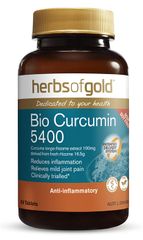
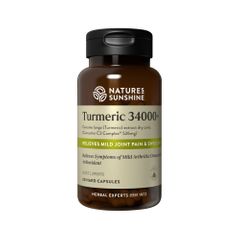
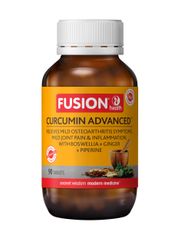
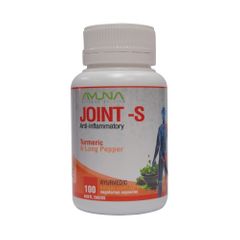
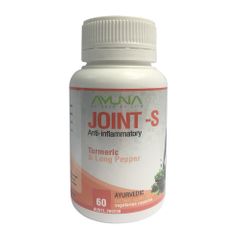
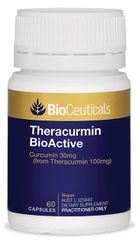
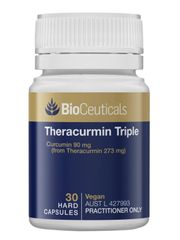
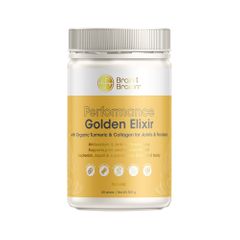
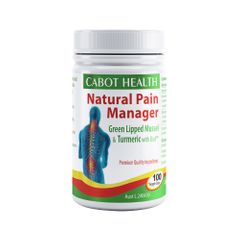
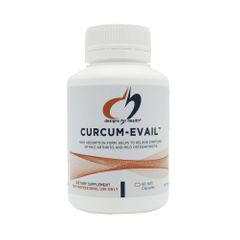
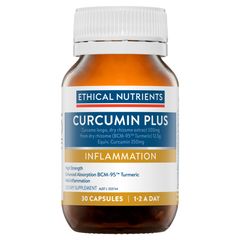
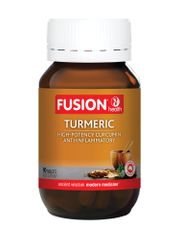
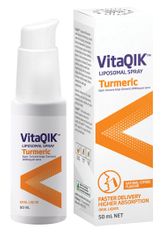
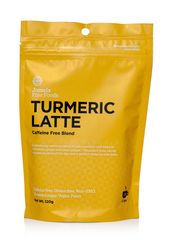
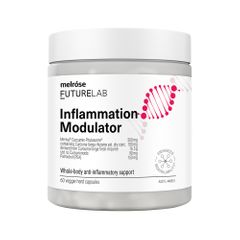
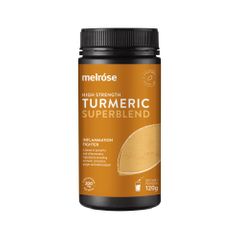
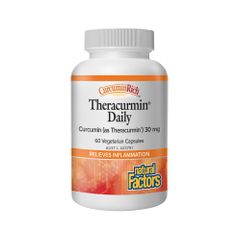
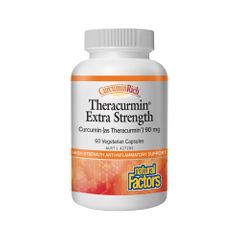
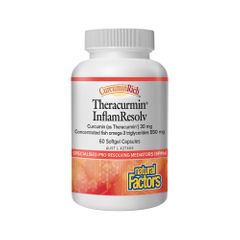
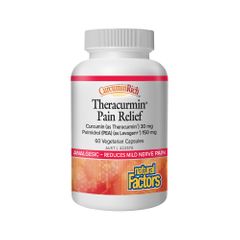
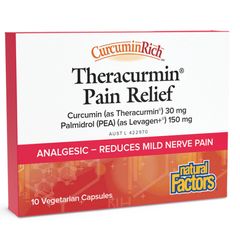
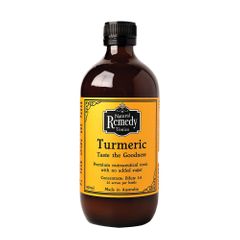
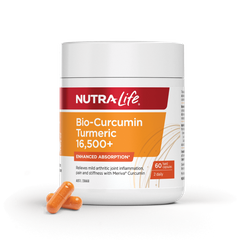
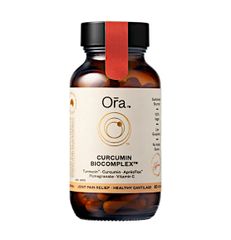
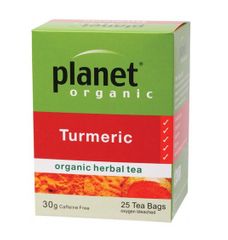

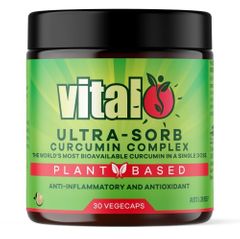
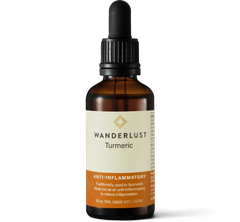
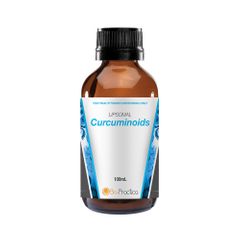
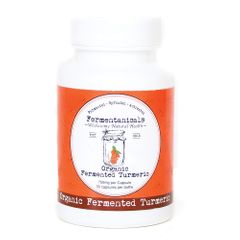
Curcumin is the active compound found in turmeric, known for its anti-inflammatory properties. Turmeric is the whole spice, while curcumin is the specific component that provides health benefits. Both are beneficial, but curcumin supplements offer a concentrated dose.
The recommended daily intake of curcumin varies, but a common dosage is between 500 to 2,000 milligrams. It's best to consult with a healthcare professional to determine the right amount for your needs.
Curcumin can be taken with other supplements, but it's important to consider potential interactions. For example, it may enhance the absorption of omega-3 fatty acids. Always consult a healthcare provider before combining supplements.
Curcumin is generally safe for most people when taken in recommended doses. However, some may experience side effects such as stomach upset or headaches. It's advisable to start with a lower dose and monitor your body's response.
Yes, curcumin is often used to support joint health due to its anti-inflammatory properties. Many people take curcumin supplements to help reduce joint pain and improve mobility.
It's best to consult with a healthcare professional before taking curcumin if you're pregnant or breastfeeding. While it's generally considered safe, professional advice ensures it's suitable for your specific situation.
The time it takes for curcumin to show effects can vary. Some people may notice benefits within a few weeks, while others may take longer. Consistency in taking the supplement is key to experiencing its full benefits.
Yes, taking curcumin with black pepper can enhance its absorption. Black pepper contains piperine, which increases the bioavailability of curcumin, making it more effective.